
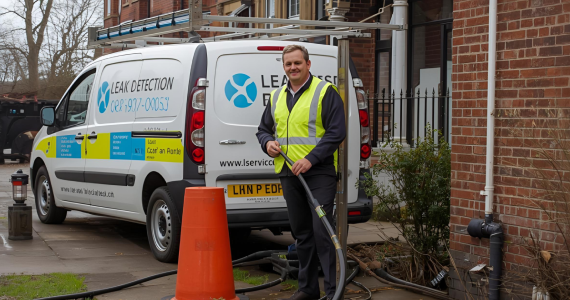
Tenterden's unique combination of medieval town center properties, Wealden clay soil, and rural water supplies creates specific leak challenges. From High Street's listed buildings to Smallhythe's period cottages and St Michaels' modern estates, every Tenterden neighbourhood demands local expertise. Our 15 years serving TN30 means we understand your area's specific leak patterns - saving you 80% compared to excavation while protecting Tenterden's historic character.
We don't just serve "Tenterden" - we know YOUR specific street, neighbourhood, and property type. Whether you're on the medieval High Street, in the leafy lanes of St Michaels, or in rural Smallhythe, we've detected leaks in your area for 15 years. Every Tenterden postcode receives the same expert service with same-day availability when you call 0800 916 8602 before 2pm.
The historic heart of Tenterden presents unique leak detection challenges. High Street's Grade II listed buildings, East Cross medieval properties, and West Cross period terraces require non-invasive technology protecting original features. We've served these streets for 15 years, understanding timber-framed construction vulnerabilities and ancient drainage systems.
Specific areas we cover:
South Tenterden and Smallhythe's rural character brings different leak challenges. Properties along Smallhythe Road and Reading Street rely on private water supplies or long service pipe runs. Wealden clay soil movement affects underground pipes significantly. Our acoustic detection excels in these rural settings where visual inspection is impossible.
Complete coverage includes:
Tenterden's premium residential area features quality modern builds and converted period properties. St Michaels Tunnel properties, Leigh Green developments, and homes along Oaks Road represent significant investments requiring careful leak detection. Underground heating systems and complex plumbing demand thermal imaging expertise.
Areas we serve daily:
Our Tenterden base allows rapid response to surrounding villages within 15 minutes:
Call 0800 916 8602 before 2pm for same-day service anywhere in Tenterden or surrounding TN30 postcodes. From High Street listed buildings to Smallhythe rural cottages, we reach you within 45 minutes for emergencies. Our 15 years serving Tenterden means we know every route, every property type, and every local leak pattern.
The historic town center from St Mildred's Church to Town Hall presents Tenterden's most challenging leak detection scenarios. Properties here date from 1400s-1800s, featuring timber frames, wattle and daub infill, and ancient drainage systems never designed for modern water pressure.
High Street Listed Buildings: Grade II and Grade II* properties between William Caxton pub and Woolpack Hotel require specialist non-invasive detection. Original oak frames can't withstand modern excavation. Our thermal imaging cameras see through ancient lime plaster and wattle panels without damage, locating leaks behind period features worth thousands to restore.
Common High Street leak patterns include lead pipe failures in cellars (many properties have medieval undercrofts), roof valley leaks misdiagnosed as plumbing issues, and concealed bathroom leaks in converted upper floors. Properties like those near Tenterden Museum often have shared drainage from their coaching inn days, complicating leak diagnosis.
East Cross & West Cross Areas: Victorian conversions of Georgian buildings along East Hill and West Hill face different challenges. Many retain original cast iron drainage concealed within walls. Our acoustic equipment traces these hidden pipes, identifying blockages versus actual leaks - crucial distinction for insurance claims.
We've served every High Street property type from medieval hall houses to Victorian shopfronts. When Sandra from East Cross called about rising damp, three specialists blamed pointing. Our thermal survey found a concealed bathroom leak tracking down inside the cavity - fixed for £520 versus £4,500 for unnecessary repointing works.
Properties along Ashford Road (A28) from town center toward Rolvenden junction span 1930s-modern builds. The former railway station area around Station Road features mixed development - Victorian railway cottages, 1960s estates, and recent infill.
A28 Corridor Properties: Homes facing the busy Ashford Road deal with constant traffic vibration affecting underground pipes. We regularly find leaks at pipe bends near the road where decades of vehicle movement have stressed connections. Properties between High Street and Coombe Lane junction particularly affected.
Ashford Road's 1930s-50s semis typically feature lead supply pipes from the mains stop tap. These corrode internally after 70-90 years, causing pinhole leaks. Our pressure testing identifies which section needs replacement before excavating gardens unnecessarily.
Station Road Area: Victorian railway workers' cottages along Station Road and surrounding streets have challenging underground drainage. Original Victorian sewers connect multiple properties - one leak can affect neighbors. Our acoustic correlation distinguishes your leak from shared drainage issues, preventing you paying for communal problems.
Recreation Ground Road's mix of period and modern properties shows different leak patterns. Period cottages suffer lead pipe issues; modern builds experience plastic push-fit connection failures in floor screeds. Our 15 years of local data tells us where to investigate first for each property type.
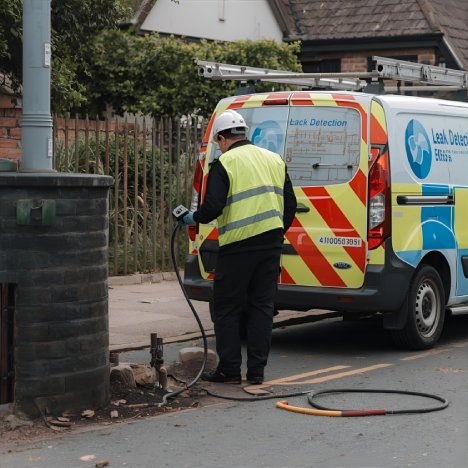
Smallhythe Road from Ellen Terry Museum through to Wittersham border represents Tenterden's most rural leak detection challenges. Properties here often rely on private boreholes, springs, or have exceptionally long service pipe runs from village mains.
Smallhythe Village: Period cottages around Ellen Terry Museum and Priest's House retain original construction methods. Timber frames, traditional roofing, and ancient wells complicate modern plumbing installations. We've detected leaks in properties here where Victorian copper pipes join 1990s plastic supplies - galvanic corrosion creates leaks within 10 years at these junctions.
Private water supplies in Smallhythe present unique issues. Borehole pumps can mask leaks by maintaining pressure despite water loss. Our pressure isolation testing identifies leaks even on private systems, preventing expensive pump replacements when the actual problem is a hidden pipe leak.
Reading Street & Rolvenden Road: Farms and rural cottages along Reading Street toward Rolvenden often have underground supply pipes exceeding 50 meters from the mains. Wealden clay soil movement stresses these long pipe runs significantly. Our acoustic detection traces leaks along these extended runs without excavating entire pipe routes.
When Michael from Reading Street called about his water meter constantly spinning, three plumbers suggested his 60-meter supply pipe needed complete replacement at £8,500. Our acoustic survey pinpointed a single leak 12 meters from his property boundary. Targeted repair cost £680 - saving £7,820 and his front paddock from excavation.
Bells Lane & Woodchurch Road: Properties toward Wittersham on Bells Lane and along Woodchurch Road face Romney Marsh's high water table. Ground water pressure can force itself into damaged pipes, creating confusing symptoms. Our thermal cameras distinguish between infiltrating ground water and escaping supply water - crucial for targeting correct repairs.
St Michaels represents Tenterden's most valuable residential area. Properties along St Michaels Road through the tunnel, Oaks Road estates, and Leigh Green developments feature complex plumbing including underfloor heating, multiple bathrooms, and high-specification fixtures.
St Michaels Tunnel Area: Properties around the distinctive St Michaels Tunnel on St Michaels Road often feature converted barns and period buildings with modern extensions. We regularly detect leaks where new extensions join old buildings - different foundation settlement rates stress pipe connections.
Modern plumbing in period St Michaels properties creates detection challenges. Underfloor heating circuits buried in screeds, en-suite bathrooms in converted loft spaces, and multi-zone central heating systems all hide potential leaks. Our thermal imaging excels here, seeing through insulation and modern construction materials to locate escaping water precisely.
Oaks Road & Leigh Green: Executive homes built 1990s-present feature high-value finishes requiring careful leak detection. Limestone tiles, hardwood floors, and premium carpets make any excavation extremely expensive. Our non-invasive technology protects these investments while achieving pinpoint leak location.
Leigh Green developments' modern construction often uses plastic manifold systems buried in concrete screeds. These pushed-fit connections can fail as buildings settle during their first decade. Thermal cameras detect the warm water signatures these leaks create, allowing targeted concrete cutting rather than lifting entire floors.
Properties along Cranbrook Road toward Sissinghurst benefit from our local knowledge of this premium area's specific challenges. Wealden clay soil movement particularly affects these properties due to sloping terrain. Underground heating pipes and long driveway supply pipes regularly develop leaks from ground movement stress.
Tenterden sits on heavy Wealden clay that dominates the High Weald geology. This clay behaves similarly to London Clay - expanding significantly when wet and shrinking during dry periods. Properties across all Tenterden neighborhoods experience constant ground movement throughout the year.
High Street to Smallhythe, the clay layer can be 3-5 meters deep, creating substantial seasonal movement. During Kent's wet winters, the clay swells by up to 8-10% as it absorbs rainfall. Summer drought periods - increasingly common with climate change - see dramatic shrinkage by similar amounts.
This cyclical expansion and contraction stresses underground pipes relentlessly. Rigid plastic pipes installed in the 1980s-1990s can't flex with soil movement. Joints open, connections pull apart, and pipe walls develop stress fractures. Properties in St Michaels and Leigh Green built during this period show particularly high leak rates from this cause.
Tenterden's historic character - from High Street's listed buildings to Smallhythe's ancient cottages - demands leak detection technology that protects irreplaceable features. Traditional excavation-based leak finding destroys timber frames, damages wattle and daub panels, and disrupts ancient floor structures.
Our thermal imaging cameras see through these historic construction materials without touching them. Original lime plaster, oak beams, and medieval brick all transmit thermal signatures clearly. We've located leaks in properties where the nearest modern access point was 6 meters from the leak location - all without damaging any period fabric.
Properties near Tenterden Museum and along East/West Cross particularly benefit. These Grade II listed buildings face conservation area restrictions on any work. Our detailed thermal reports satisfy conservation officers while pinpointing exact leak locations for listed building consent applications.
Smallhythe and outer Tenterden properties often rely on private water supplies or have exceptionally long connection distances to mains supplies. Reading Street properties might have 80+ meter supply pipe runs from the nearest village main on Rolvenden Road.
These extended pipe runs create multiple potential leak points. Traditional leak detection methods require excavating the entire route at catastrophic cost. Our acoustic correlation technology traces water escape sounds along these long runs, pinpointing leak positions without excavation until repair access is needed.
Private borehole supplies in rural TN30 7 present unique diagnostic challenges. Submersible pumps maintain system pressure even when significant leaks exist. Homeowners only notice when electricity bills rise from the pump running constantly. Our pressure isolation testing identifies these hidden leaks before pump replacement is unnecessarily attempted.
Tenterden's position at 75 meters elevation with sloping terrain toward Romney Marsh creates specific drainage and water pressure patterns. Properties on higher ground like St Michaels experience higher mains pressure - increasing leak severity when they develop. Lower elevation properties toward Smallhythe can have pressure variations affecting leak detection.
The natural drainage toward the River Rother means some properties have high seasonal water tables. Church Road and properties backing toward water meadows can experience ground water infiltration into damaged drains - symptoms mimicking supply pipe leaks. Our thermal differentiation between cold ground water and ambient temperature supply water prevents misdiagnosis.
We've served every Tenterden neighborhood for 15 years, understanding exactly how Wealden clay affects Ashford Road properties differently than Smallhythe cottages. This local knowledge saves you thousands in unnecessary excavation. Call 0800 916 8602 for expertise that knows YOUR area.
Our thermal cameras detect temperature differences caused by escaping water. High Street's thick stone walls, St Michaels' insulated modern builds, and Smallhythe's timber-framed cottages all transmit thermal signatures clearly. We see through construction materials that defeat traditional detection methods.
For Tenterden's period properties, thermal imaging protects irreplaceable features. Detection takes 2-3 hours for typical properties, with immediate verbal findings and detailed photographic reports within 48 hours. Perfect for listed building documentation requirements.
Underground supply pipes along Smallhythe Road, Reading Street, and rural TN30 7 properties benefit from acoustic correlation. Our sensors detect water escape sounds through Wealden clay soil, pinpointing leaks along pipe runs up to 100 meters without excavation.
Accuracy within 30cm means we mark exact dig locations on your property. Essential for protecting Tenterden's gardens, driveways, and paddocks from unnecessary excavation. Properties with long supply pipe runs save thousands versus traditional methods.
St Michaels and Leigh Green properties with underfloor heating, multiple bathrooms, and zone-controlled systems need pressure isolation testing. We identify which specific circuit has the leak before deploying thermal or acoustic equipment - saving investigation time and your costs.
For Ashford Road and Station Road properties with suspected leaks, pressure testing confirms leak presence before expensive surveys. Some symptoms (pressure drops, system noise) have non-leak causes. Testing prevents unnecessary leak detection surveys.
High Street Listed Buildings: Traditional excavation through medieval foundations costs £8,000-£15,000 plus conservation consent delays. Our thermal detection: £395-£595, immediate results, no damage.
St Michaels Modern Properties: Lifting underfloor heating screed speculatively costs £5,000-£12,000. Our pinpoint thermal detection: £495, targeted repair £800-£1,500 total.
Smallhythe Rural Cottages: Excavating 60-meter supply pipe runs costs £6,000-£10,000. Our acoustic detection: £495, targeted dig £600-£1,200 total.
Station Road Period Properties: Exploratory excavation under Victorian floors costs £4,000-£8,000. Our acoustic/thermal combination: £695, minimal access repair £800-£1,800 total.
Every Tenterden survey includes our comprehensive 12 months warranty. If we identify a leak location and subsequent investigation proves us wrong, we return free of charge. This warranty has held for 15 years serving TN30 with less than 3% claims - demonstrating consistent accuracy across every Tenterden neighborhood.
Visual Survey & Moisture Mapping: From £195
Suitable for single-room investigations where leak location fairly obvious. Includes professional moisture meters and thermal spot checks. Perfect for confirmed bathroom leaks needing exact location.
Thermal Imaging Survey: From £395
Complete property thermal scan - ideal for most Tenterden homes. Covers High Street listed buildings, St Michaels modern properties, and Station Road period homes. Includes comprehensive photographic report for insurance/conservation requirements.
Acoustic Underground Detection: From £495
Essential for Smallhythe properties, Reading Street rural homes, and any property with long underground supply pipes. Pinpoint accuracy prevents unnecessary excavation. Covers pipe runs up to 100 meters.
Comprehensive Investigation: From £695
Combines thermal, acoustic, and pressure testing for complex scenarios. Recommended for multi-bathroom St Michaels properties, High Street listed buildings with shared drainage, or when previous investigations failed.
High Street & Town Center (TN30 6):
Listed buildings From £395 (thermal imaging essential)
Victorian conversions From £395
Shared drainage issues From £495 (acoustic testing required)
St Michaels & Leigh Green:
Modern properties From £395
Underfloor heating systems From £495
Executive homes with complex plumbing From £695
Smallhythe & Rural TN30 7:
Period cottages From £395
Long supply pipe runs From £495
Private water supply properties From £595
Ashford Road & Station Road:
Standard properties From £395
Underground drainage issues From £495
| Method | Cost | Tenterden Suitability |
|---|---|---|
| Our Technology | £395-£695 | All areas, all property types |
| Trial Excavation | £3,500-£9,000 | Damages period features |
| Full Floor Lift | £5,000-£15,000 | Destroys listed building fabric |
All quoted prices include travel to any Tenterden TN30 postcode. No call-out fees, no equipment hire charges, no mileage costs. Emergency same-day service may include priority fee. Call 0800 916 8602 for exact quote for your property and area.
Eleanor owns a Grade II listed property on High Street between William Caxton and Town Hall. Persistent damp in her medieval undercroft had three specialists recommending tanking at £6,500, plus conservation area consent delays adding months.
"Everyone assumed it was rising damp or groundwater," Eleanor explained. "The conservation officer was reluctant to approve tanking in a 15th-century building."
Our thermal survey revealed a different story entirely. The camera showed a distinctive cold signature at ceiling level in the undercroft - not ground level where rising damp appears. A concealed bathroom waste pipe in the floor above had been slowly leaking for months, with water tracking down through ancient timber joists.
Eleanor's regular plumber accessed the leak through a 40cm square ceiling panel at our marked location. The corroded waste pipe connection had been hidden beneath original oak floorboards above. Repair cost £380 including making good.
Total costs: £395 thermal survey + £380 plumber = £775. Eleanor saved £5,725 versus the tanking approach. More importantly, her medieval fabric remained untouched.
"The thermal imaging protected my listed building while solving the problem," Eleanor said. "The conservation officer was impressed with the detailed report. Call 0800 916 8602 if you have a period Tenterden property - they really understand historic buildings."
Thomas contacted us from his 17th-century cottage on Smallhythe Road near Ellen Terry Museum. His water meter showed constant flow despite everything being turned off, and his quarterly bills had jumped from £85 to £295. The cottage sits 65 meters back from the road with the supply pipe running under his front garden.
"Two local plumbers said I'd need to excavate the entire pipe run from the road," Thomas told us. "Quoted £7,500 to dig up my front garden including a mature oak tree's root zone. They couldn't tell me where the leak actually was."
Our acoustic detection equipment was perfect for this rural scenario. We placed correlation sensors at Thomas's external stop tap and at multiple points along the suspected pipe route through his garden. The digital analysis triangulated a leak position 18 meters from the road boundary - directly beneath his gravel driveway.
Thomas watched as we marked the exact spot with spray paint. "The acoustic equipment picked up this distinctive pulse," he said. "Really impressive technology."
His regular plumber excavated just 80cm x 80cm of driveway at our marked location, finding a corroded lead pipe section precisely where indicated. Modern plastic replacement installed for £720 including driveway reinstatement.
Total costs: £495 acoustic survey + £720 targeted repair = £1,215 versus £7,500+ for speculative excavation. Thomas's oak tree, garden, and wildlife pond all protected from unnecessary disruption.
"My bills dropped back to £75 the next quarter," Thomas added. "The leak had been wasting 450 liters daily. Brilliant service for rural Tenterden properties with long pipe runs."
Yes, we cover every Tenterden postcode - TN30 6 (town center, north, St Michaels, Leigh Green) and TN30 7 (Smallhythe, Reading Street, southern rural areas). We also serve surrounding villages: Rolvenden (6 minutes), High Halden (8 minutes), Biddenden (10 minutes), Wittersham (12 minutes), Appledore (15 minutes), and Sissinghurst (12 minutes). Call 0800 916 8602 for same-day availability across all areas.
From our Kent base, we typically reach Smallhythe properties within 45 minutes of calling, St Michaels within 30 minutes, and High Street town center within 35 minutes. For genuine emergencies causing active property damage, we prioritize response and can often attend within 2-3 hours. Our 15 years serving Tenterden means we know the quickest routes via A28, through town, or via Rolvenden Road depending on traffic.
Absolutely - thermal imaging is perfect for High Street's Grade II listed properties. Our cameras see through timber frames, wattle and daub, ancient brick, and lime plaster without touching them. We've protected countless period features across 15 years serving Tenterden's historic core. Our detailed thermal reports satisfy conservation officers for listed building consent applications. Detection typically costs from £395 versus £8,000-£15,000 for speculative excavation through protected structures.
We regularly work with Smallhythe and rural Tenterden properties on private boreholes or springs. Our pressure isolation testing identifies leaks even on private systems. We can distinguish between pump problems, pressure tank issues, and actual pipe leaks - preventing unnecessary pump replacements. Private water supply leak detection from £595 including system pressure analysis. Essential for properties on Reading Street, Bells Lane, and outer Smallhythe where private supplies are common.
Yes, emergency appointments available seven days including evenings for urgent leaks causing active damage. Call 0800 916 8602 and explain the urgency - we'll prioritize your appointment. Standard same-day service runs Monday-Saturday when you call before 2pm. Sunday and evening emergency callouts may include priority fee. All Tenterden areas receive equal priority from High Street to Smallhythe.
Most residential leak detection surveys complete within 2-3 hours. Simple single-room investigations (bathroom leak confirmation) take 60-90 minutes. Complex properties like St Michaels executive homes with underfloor heating or High Street listed buildings with shared drainage can extend to 4 hours. Rural Smallhythe properties with long underground supply pipes typically need 2.5-3 hours for acoustic correlation. You'll receive immediate verbal findings before we leave, with detailed written reports within 48 hours.
Call 0800 916 8602 before 2pm for same-day appointments anywhere in Tenterden or surrounding villages. Our 15 years serving TN30 means we know every route, every traffic pattern, and every local access challenge.
Typical Response Times:
Genuine emergencies - active leaks causing property damage, ceiling collapses, or flooding - receive immediate priority. We'll rearrange schedules to attend within 2-4 hours of your call to 0800 916 8602.
Emergency situations include ceiling leaks actively dripping, visible flooding, structural damage from water, or situations where delaying could cause catastrophic damage. All Tenterden areas receive equal emergency priority.
Step 1: Describe your symptoms - higher bills, damp patches, sounds of water, or visible leaks. We'll discuss which detection technology suits your specific Tenterden property and area.
Step 2: Receive accurate pricing during the call. Most customers get their quote within 5 minutes. No hidden charges, no surprises.
Step 3: Book convenient appointment - same-day if available and you call before 2pm. We'll confirm arrival time specific to your Tenterden neighborhood.
Step 4: Expert technician arrives with professional equipment. Survey takes 2-3 hours typically. You'll receive immediate verbal findings before we leave.
Step 5: Detailed written report with thermal photographs within 48 hours. Includes exact leak locations marked, repair recommendations, and cost estimates.
All leak detection work across every Tenterden neighborhood includes our comprehensive 12 months warranty. If we identify a leak location and subsequent investigation proves incorrect, we return free of charge to reinvestigate. This warranty has held for 15 years serving TN30 with less than 3% claims - demonstrating consistent accuracy from High Street to Smallhythe, St Michaels to Reading Street.
Every day a leak continues means worsening damage. Small damp patches become structural rot. Minor leaks cause foundation subsidence. Today's £800 repair becomes tomorrow's £18,000 disaster.
Tenterden's Wealden clay soil, historic properties, and rural water supplies demand specialist local expertise. Don't trust your High Street listed building, St Michaels executive home, or Smallhythe period cottage to general contractors using excavation guesswork.
✓ All Areas Covered
TN30 6 & TN30 7 - High Street to Smallhythe
✓ Save 80%
Technology vs excavation costs
✓ Protect Features
No damage to listed buildings
✓ Same-Day Service
Call before 2pm for today
High Street, St Michaels, Smallhythe, Station Road, Leigh Green, Reading Street - we know every Tenterden neighborhood intimately. Our 15 years of TN30 expertise means we understand your specific property challenges. From medieval timber frames to modern underfloor heating, Wealden clay movement to private water supplies, we've detected and solved thousands of leaks across every Tenterden area.
Call 0800 916 8602 now - save thousands with local leak detection expertise.
